
Nine Producers From Piedmont We Keep Coming Back To
From historic estates to a new generation of winemakers shaping Piedmont and carrying family tradition forward.
Written by Nathan Bodenstein
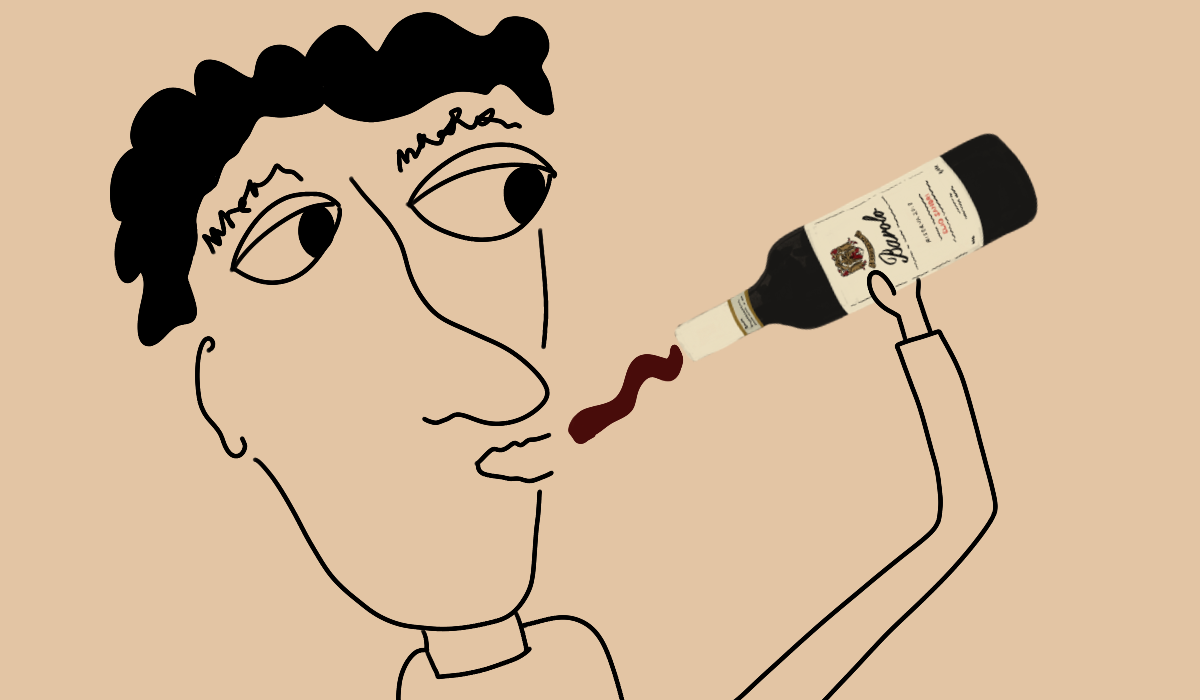
Among the world’s great wine regions, few are as steeped in history as Piedmont. From a 300-million-year-old supervolcano to the arrival of the Celtic tribes, and later the Romans who controlled the Alpine passes of the Aosta Valley, the region would eventually play a defining role in Italy’s unification during the nineteenth century. Today, that layered history still lingers across the foggy hills from the Langhe to Alto Piemonte, where vineyards have taken root in the same soils that have shaped the region for thousands of years.
Despite being Italy’s second-largest region by area and accounting for a significant share of the country’s wine exports, Piedmont is defined by small-scale producers, many of whom have worked the same land, and the same grapes, for generations. Their wines have captivated the minds, hearts, and glasses of collectors and casual weeknight drinkers alike, becoming some of the most coveted bottles on the market.
While the region is home to a wide range of grapes, from Dolcetto and Barbera to Timorasso, Erbaluce and Cortese, one variety sits unmistakably at the center of it all: Nebbiolo. Capable of both elegance and power, the grape produces wines that can age for decades while capturing the subtle differences between Piedmont’s villages and hillsides.
Across Piedmont, remarkable estates carry the region’s winemaking tradition forward. Some are historic family wineries whose names have long defined the region, while others belong to a newer generation quietly shaping its future. The following list could easily stretch much longer, but these are the nine Piedmontese producers we often point people toward when asked where to begin exploring the region.
Cesare Bussolo
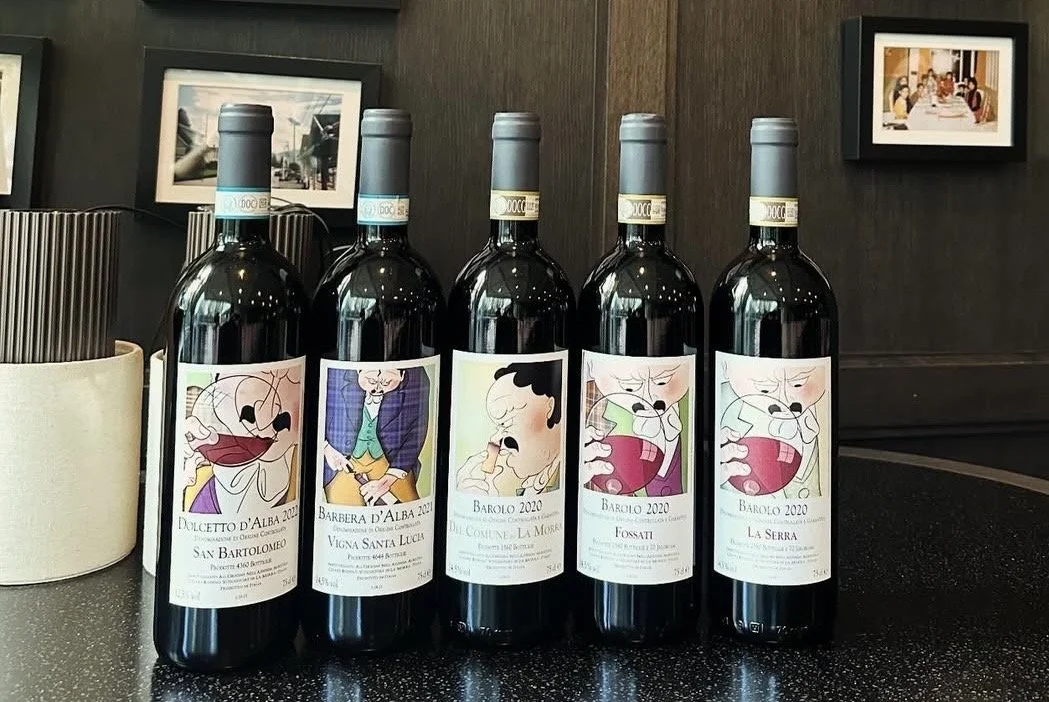
Born and raised in La Morra, Cesare Bussolo represents Piedmont’s next generation of Barolo producers. After completing his oenological studies in the late 1990s, he worked at Bovio before joining one of Barolo’s most influential winemakers, Roberto Voerzio, as an oenologist, a role he continues to this day. Bussolo launched his own project in 2009 after purchasing and replanting a 90-year-old vineyard.
Elio Sandri
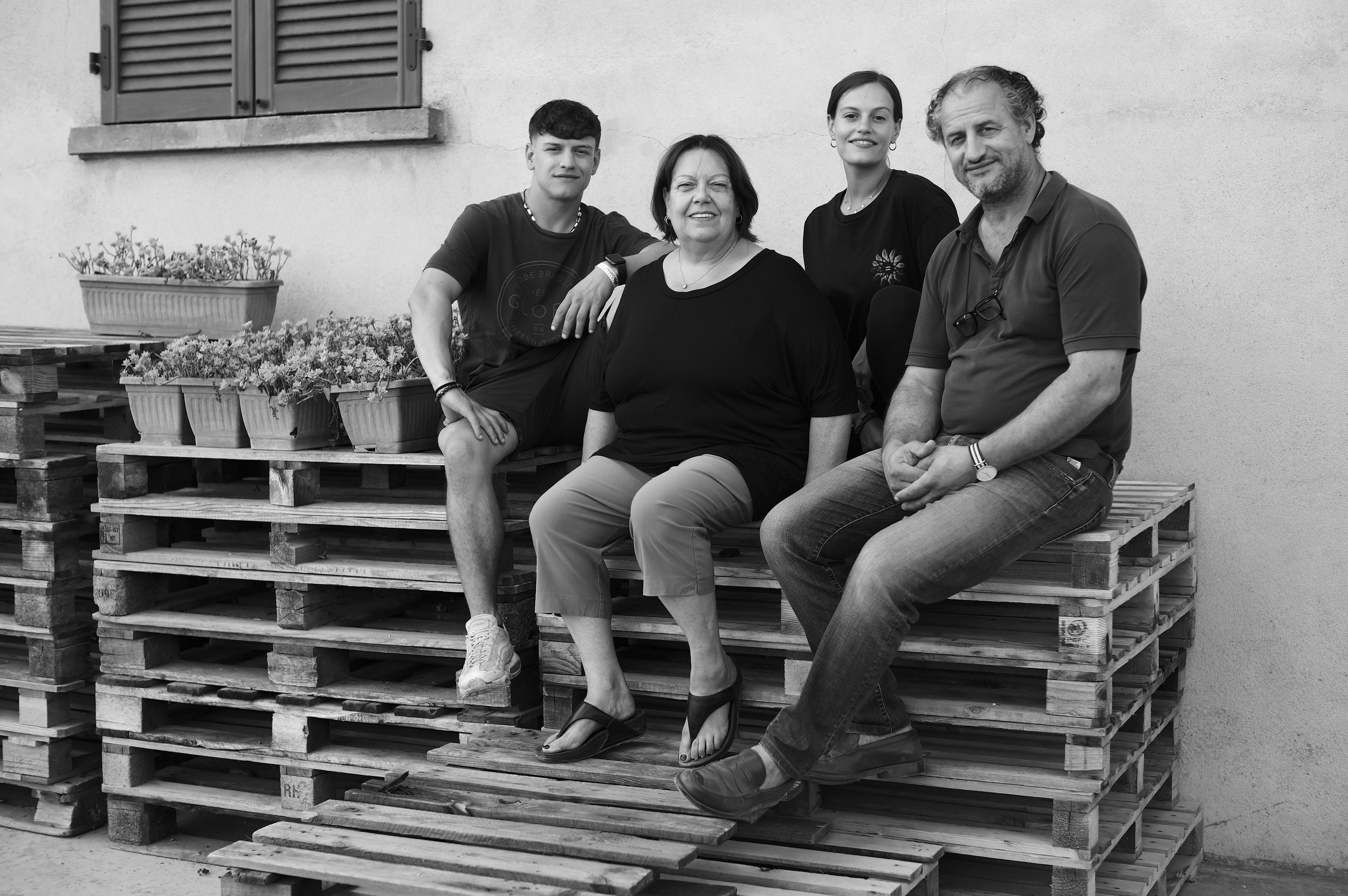
Image credit: Clay McLaughlin
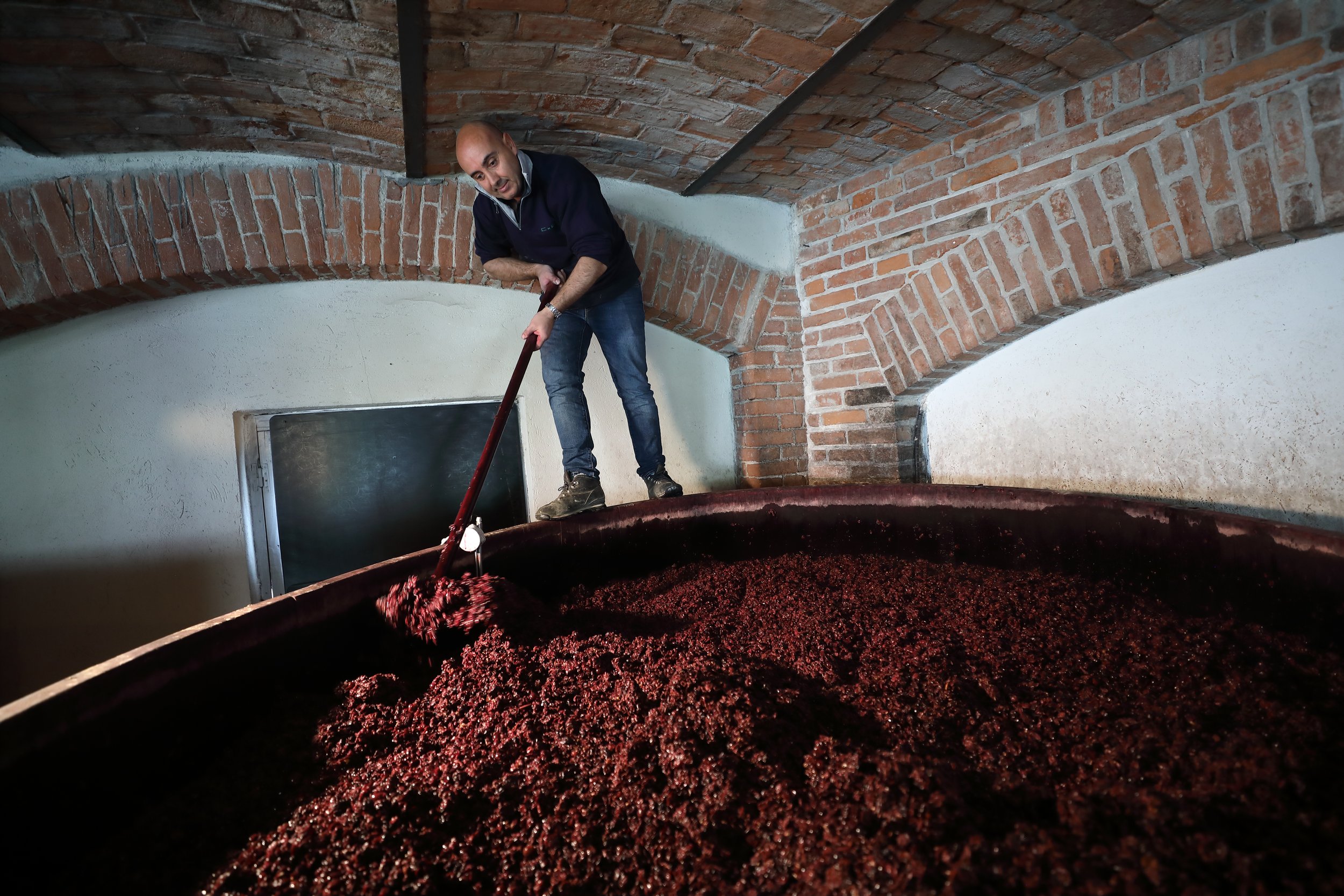
Based in the village of Perno, Elio Sandri has led the family estate Cascina Disa since the early 2000s, farming vineyards planted as far back as the late nineteenth century. Long resistant to the trends that reshaped Barolo in the late twentieth century, Sandri, along with his two children, Luna and Riccardo, remains committed to deeply traditional methods, farming organically and allowing wines to develop slowly through extended macerations and patient aging.
Ferrando
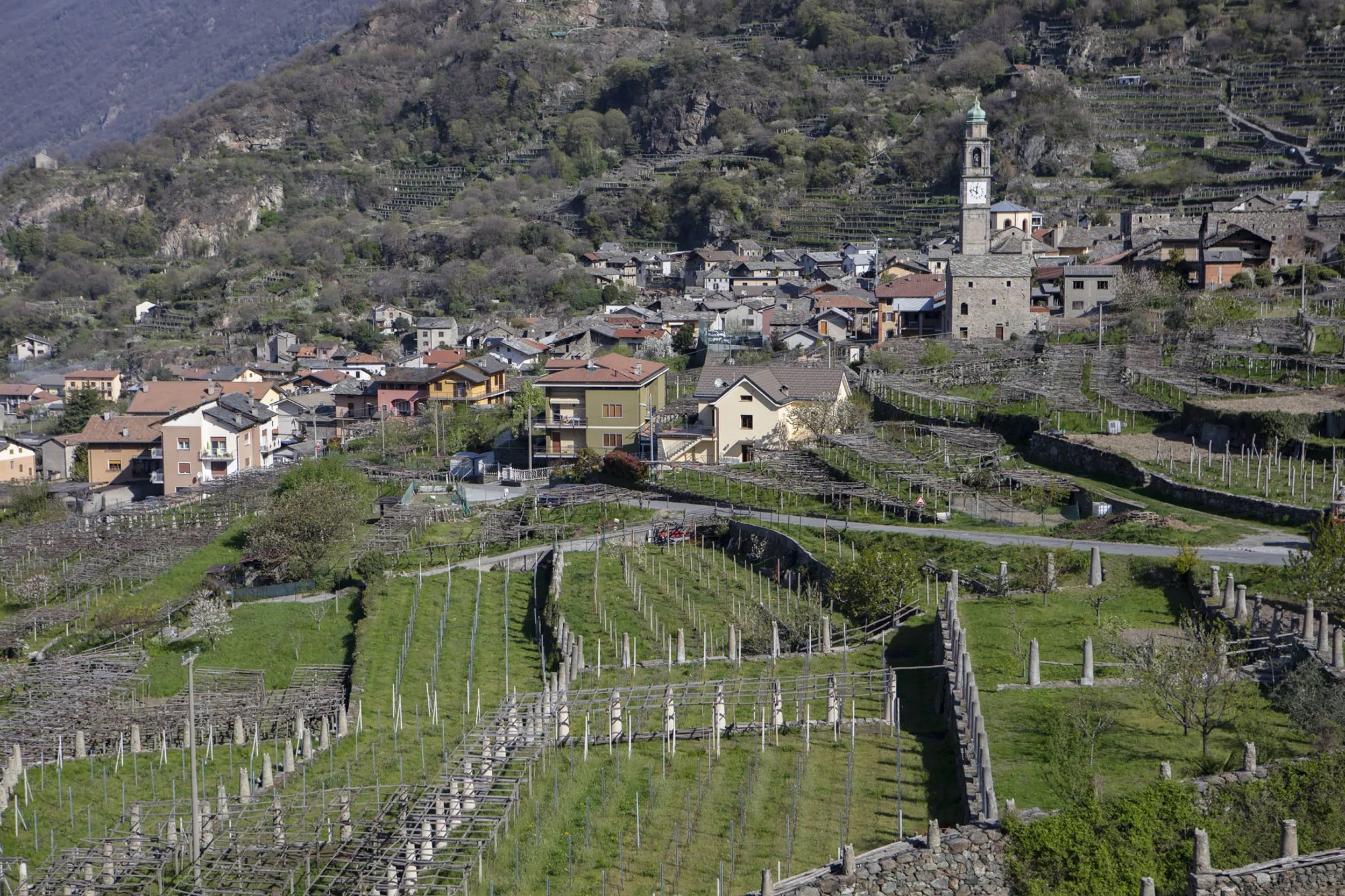
Based in the northern comune of Carema, the Ferrando’s family winemaking tradition dates back five generations to 1890. Today, Luigi Ferrando works closely with local growers and academics, playing an important role in discovering and preserving the region’s historic grape varieties. Luigi works alongside his son Roberto on the estate, while his son Andrea runs the family’s enoteca. The Ferrandos cultivate Nebbiolo on steep, terraced vineyards beneath Monte Bianco, producing wines known for their finesse, complexity, and longevity that stand apart from the more powerful styles of Barolo and Barbaresco.
G.B. Burlotto
Founded in 1850, the Verduno-based G.B. Burlotto remains one of Barolo’s most historical estates. Despite its widely known reputation, the Burlotto family farms a relatively small holding, at least by Barolo standards, with 15 hectares, or roughly 37 acres, of vineyards. After Giovan Battista (G.B.) Burlotto’s death in 1927, subsequent generations quietly maintained the winery before his great-great-grandson Fabio Alessandria assumed leadership in the 1990s. Under Alessandria, the winery re-emerged as one of Piedmont’s great producers, by refining its traditional approach with remarkable precision and producing some of the region’s most elegant expressions of Nebbiolo.
Giulia Negri
Based in La Morra, Giulia Negri leads her family’s estate in Serradenari, the area’s highest vineyard site, where the vineyards form a natural amphitheater. Purchased by her father in the early 2000s, the estate entered a new chapter when Negri took over in 2014 following studies that included time spent in Burgundy.
Giuseppe Rinaldi
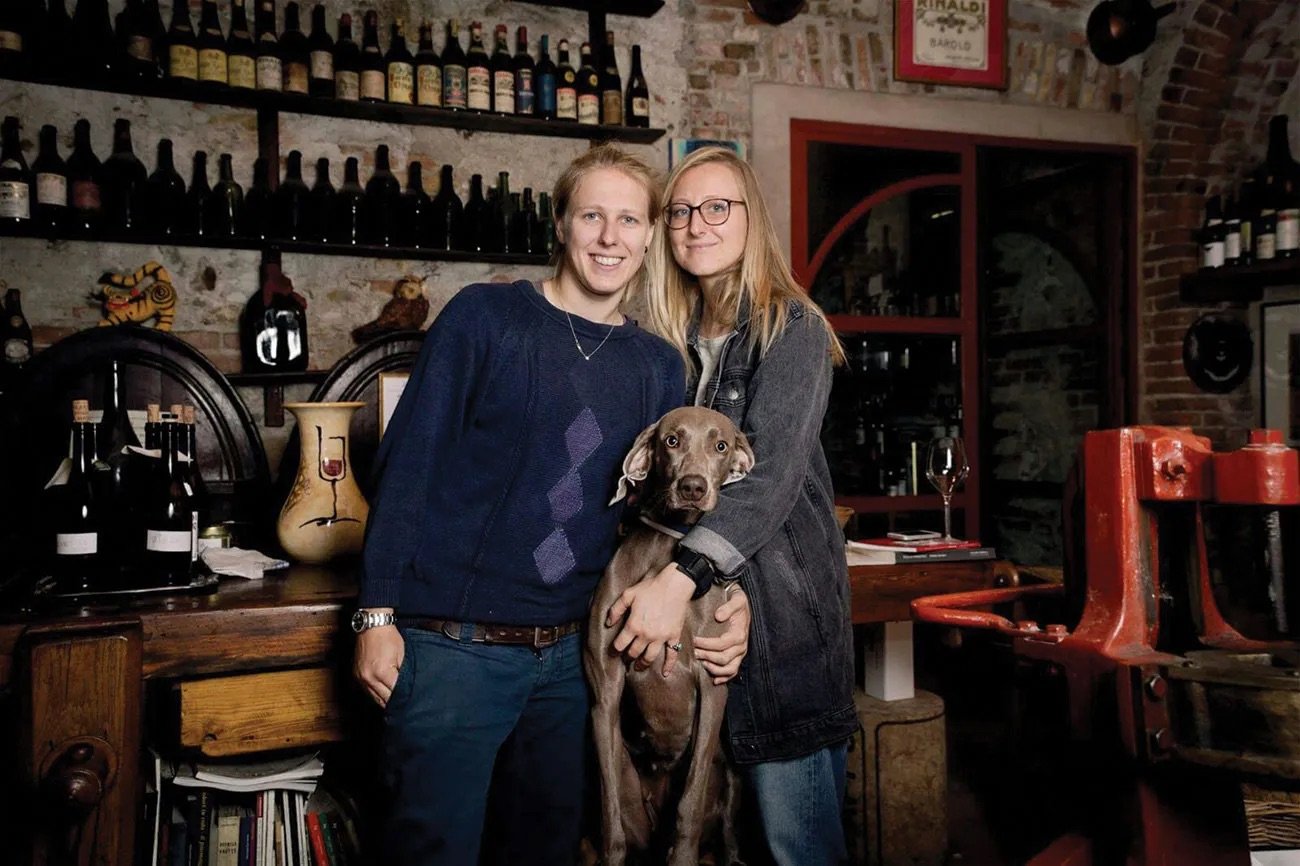
Image credit: Marta and Carlotta Rinaldi
Founded by Giovanni Rinaldi in the late 19th century, the estate stands among Piedmont’s most historic and influential. Giovanni’s son, the late Giuseppe “Beppe” Rinaldi, help guide the estate until 2018, building it into one of the most defining voices in the region. Currently led by Beppe’s daughters, Marta and Carlotta, the estate remains committed to his methods, which included preserving long macerations, large cask aging, and the historic practice of blending of different vineyards.
Lalù
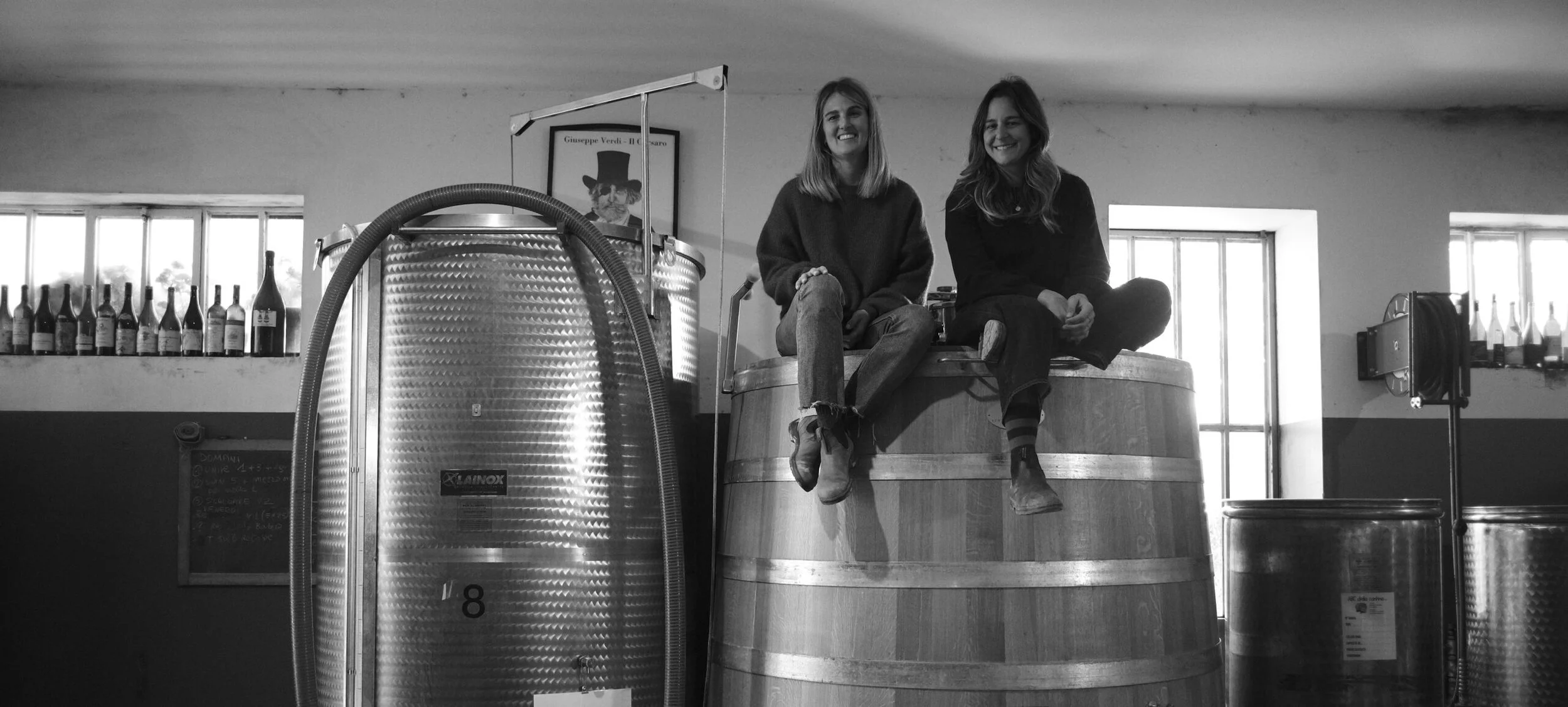
Image Credit: Polaner Selections
Established in 2019 by Lara Rocchetti and Luisa Sala, Lalù began during the friends’ studies at the University of Gastronomic Sciences in Pollenzo. After working harvests abroad, training at Trediberri in La Morra, and learning under Dominique Lafon and Cécile Tremblay in Burgundy, the pair acquired their first parcel in Roncaglie and launched their own project. Farmed organically and guided by a gentle, gravity-focused approach in the cellar, Lalù’s wines are a refined, contemporary expression of Barolo shaped by precision, biodiversity, and a new generation’s perspective.
Le Piane
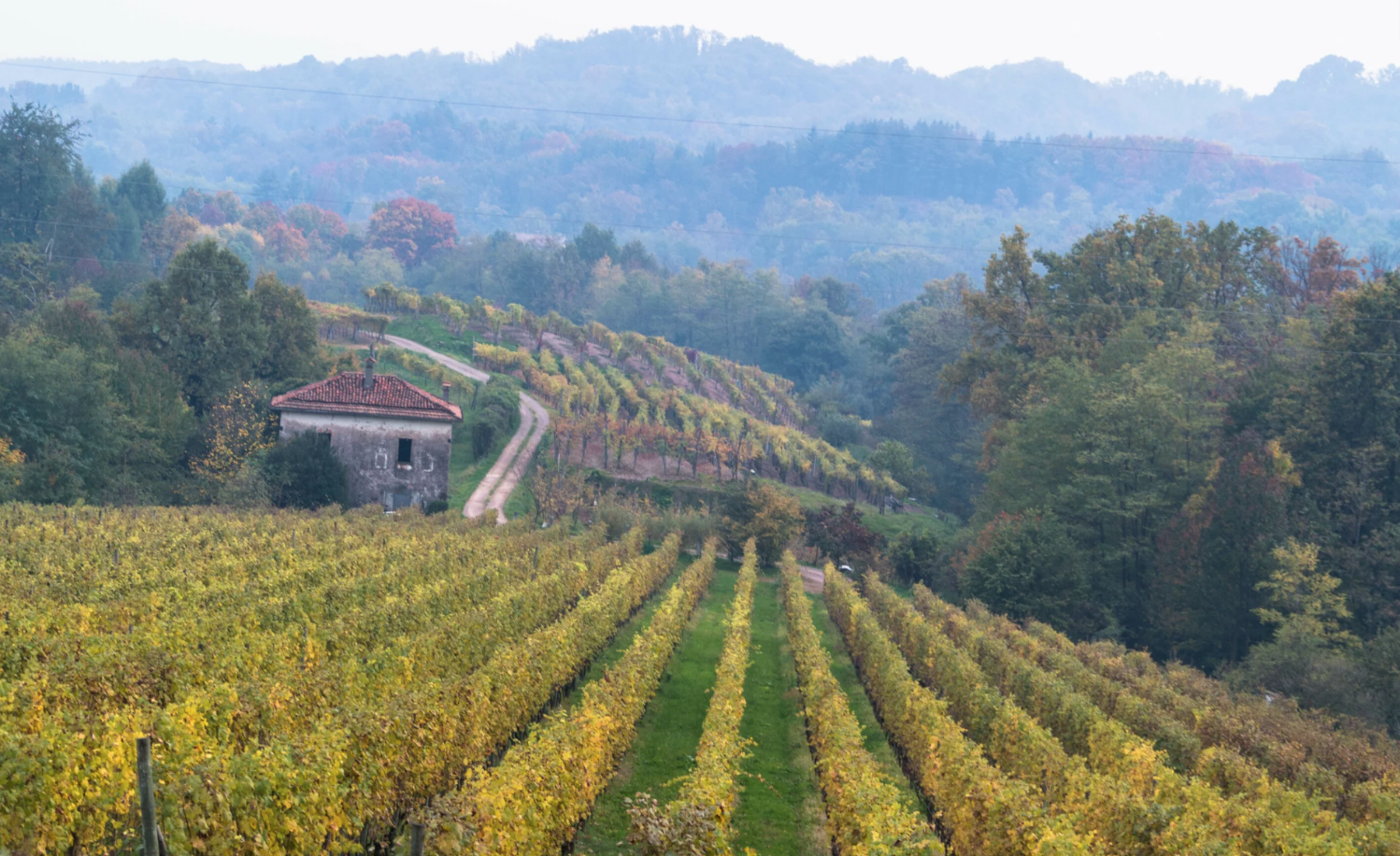
Le Piane is an estate in Boca, an almost-forgotten corner of Alto Piemonte, founded by Swiss wine merchant Christoph Künzli after discovering the wines of Antonio Cerri, one of the last remaining growers in the appellation. After Cerri’s death in the late 1990s, Künzli purchased the vineyards and helped revive winemaking in the area. The estate farms organically and focuses on traditional Boca blends led by Nebbiolo, often with Vespolina and Croatina, grown on the region’s volcanic soils. Today, Le Piane is widely regarded as a key estate in Boca’s modern resurgence.
Renato Molino
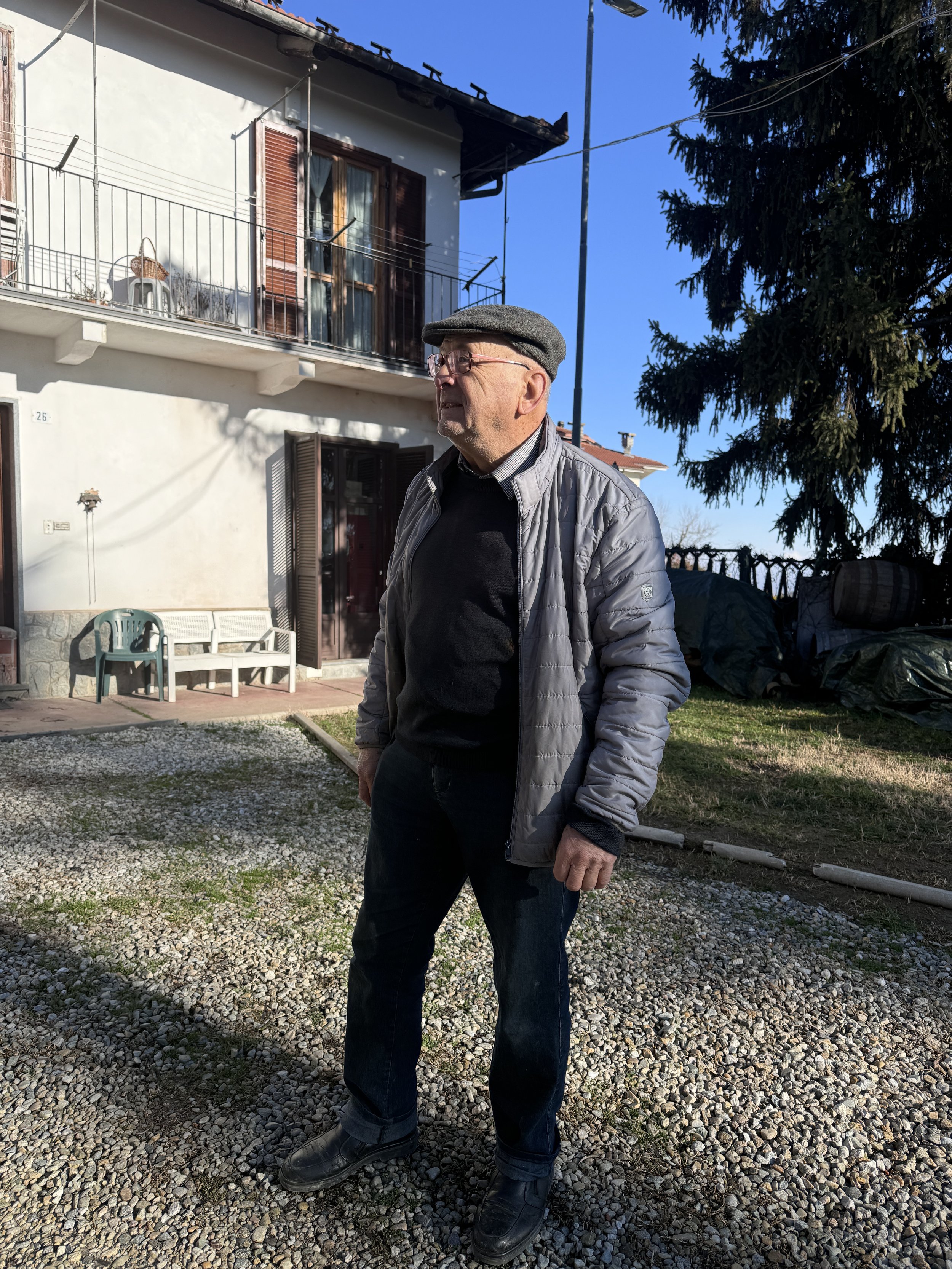
Renato Molino; Image credit: Amuninni
Based in La Morra, Renato Molino farms just under four hectares, or roughly 9 acres, of vineyards across Rocche dell’Annunziata, Annunziata, Boiolo, and Villero in Castiglione Falletto. The estate was founded in 1926 by Renato’s grandfather, Luigi, and passed through generations of the family, who sold wine in bulk, bottling it only for special family occasions. Nearly a century later, Molino began estate bottling in earnest in 2012, maintaining a deeply traditional approach defined by late harvests, manual work in the vineyard and cellar, and aging exclusively in large Slavonian oak casks. The wines reflect a patient, ancestral style of Barolo shaped more by continuity than modernization.