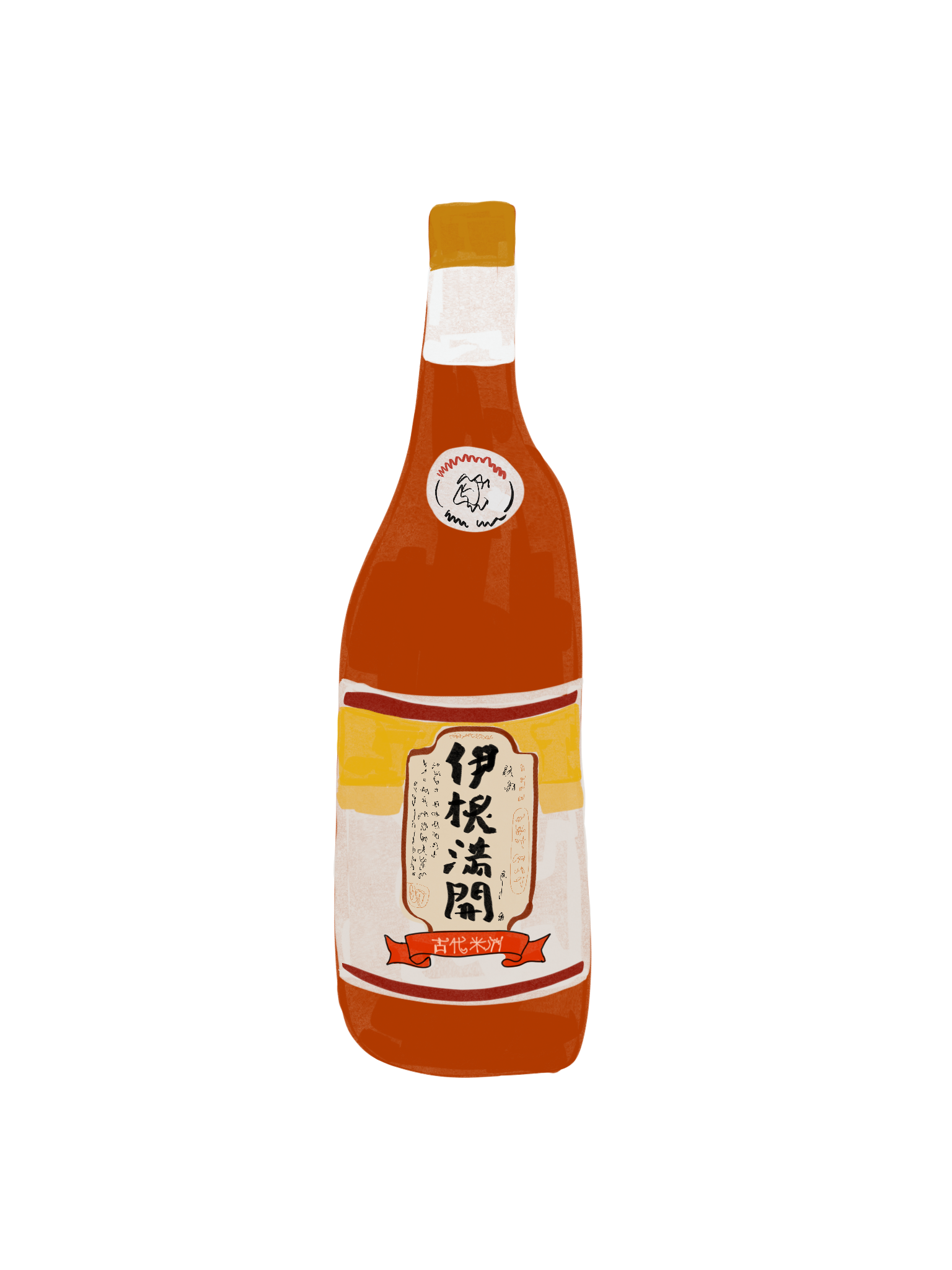
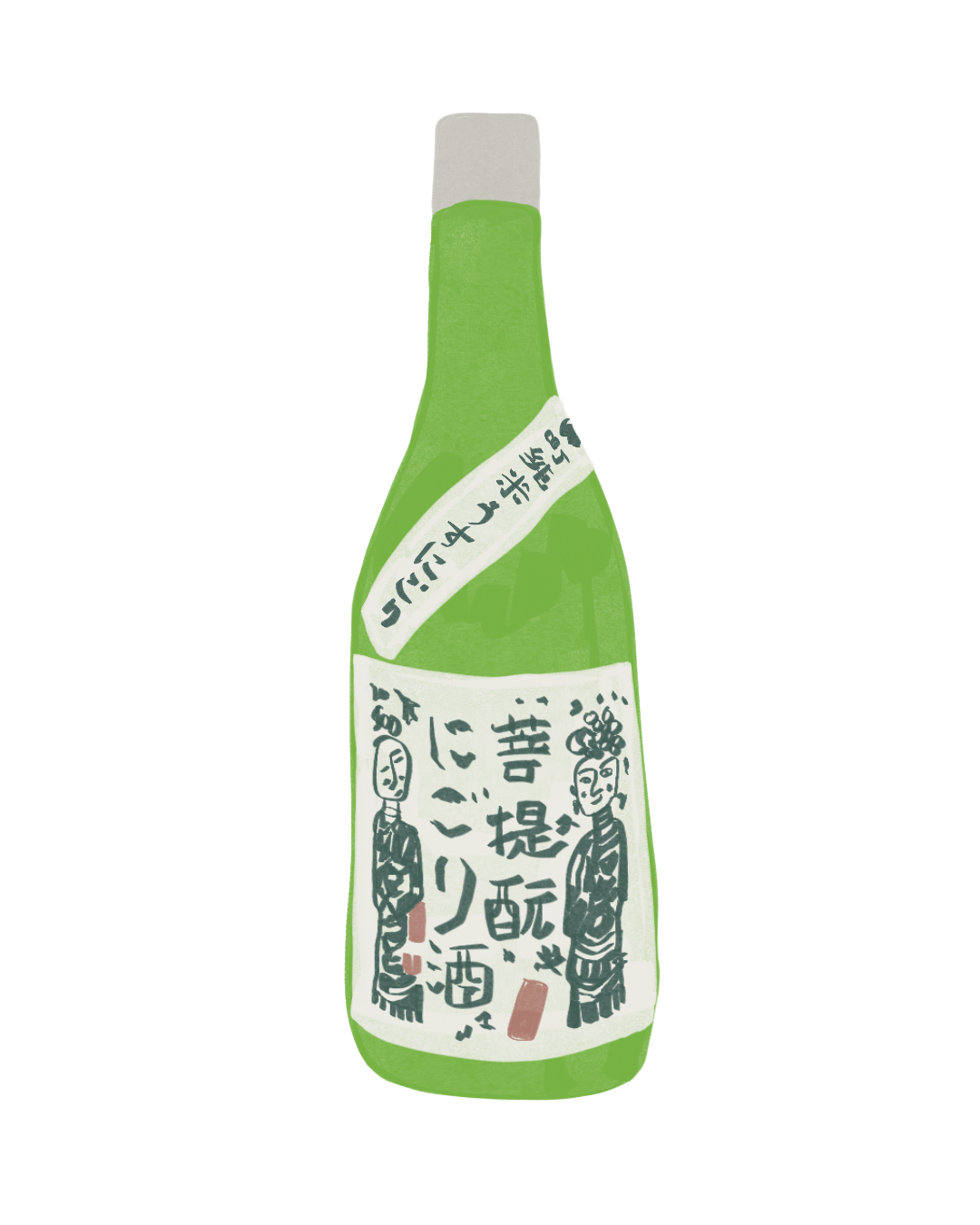
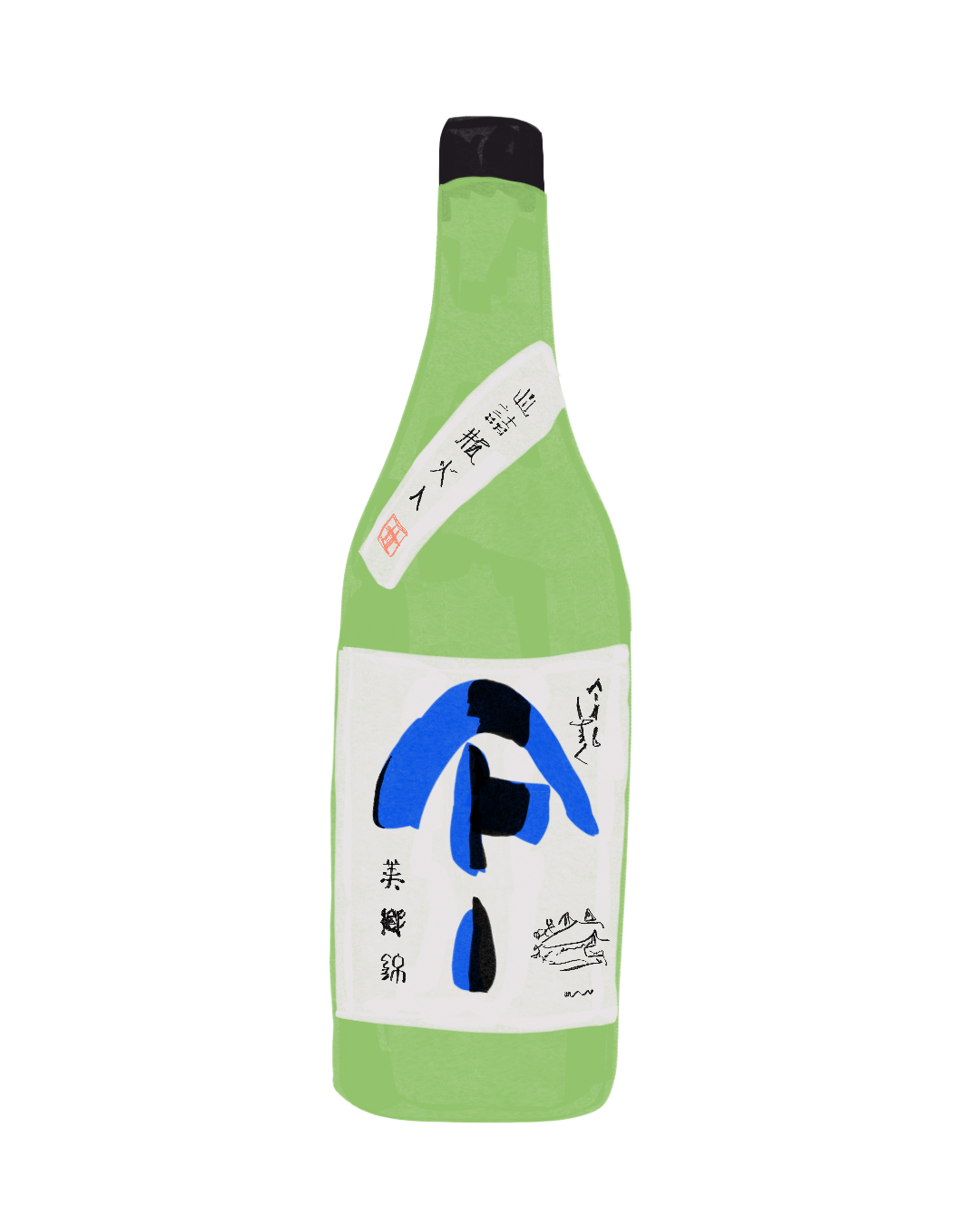
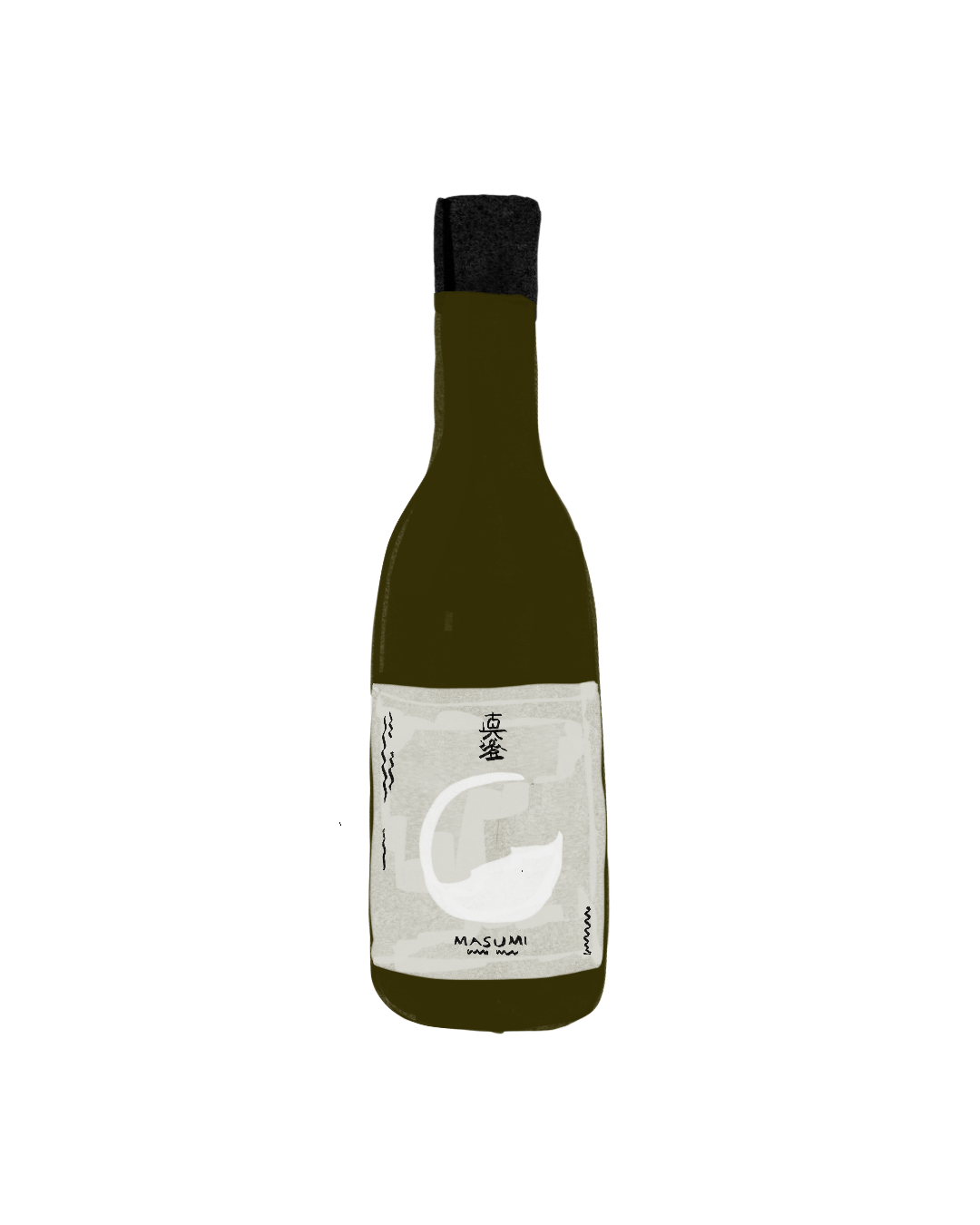
A practical framework for understanding sake if you already drink wine.
Written by Sophia Sioris
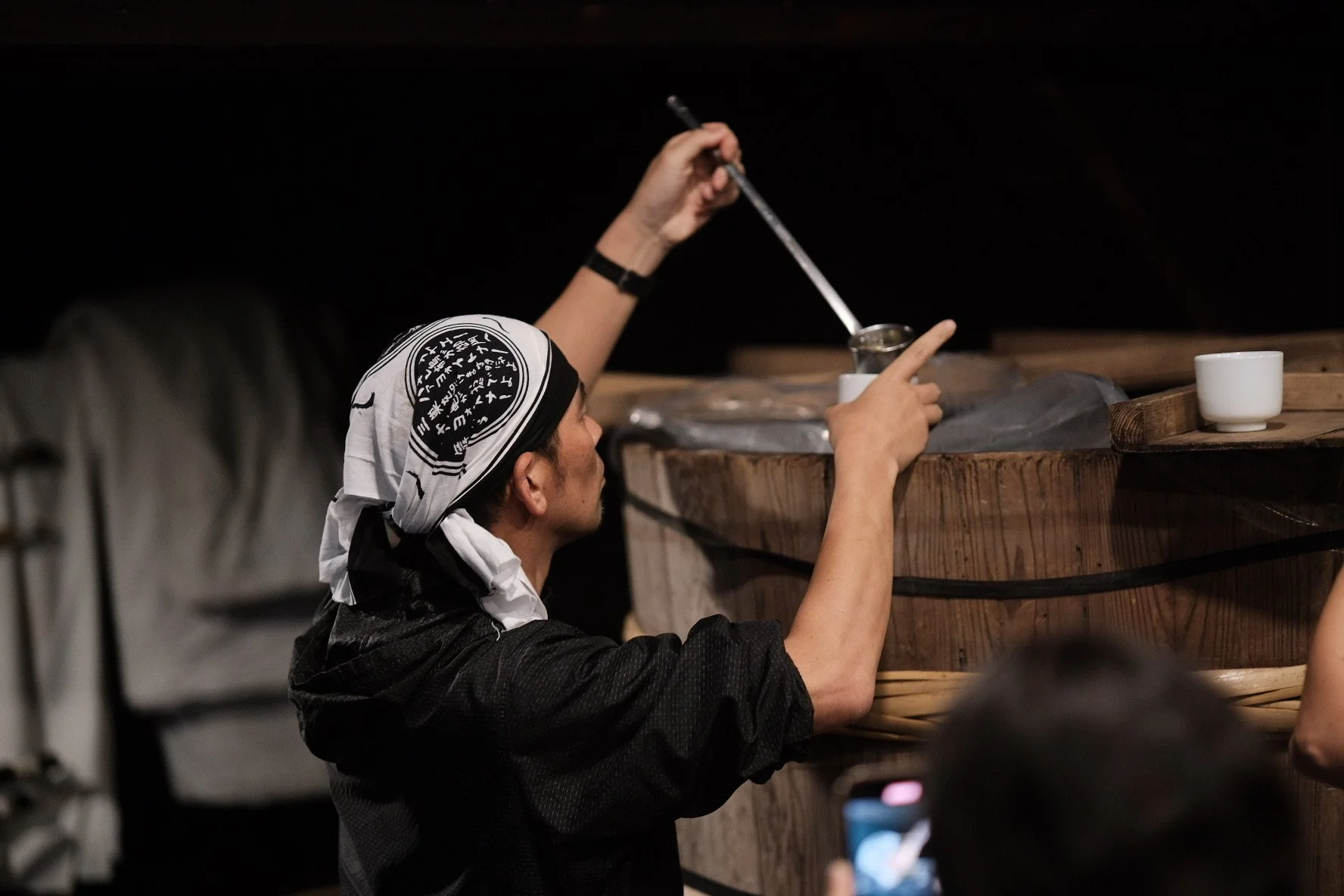
Photo by George Padilla
You may have noticed your favorite wine bar put a sake or two to the menu. Or perhaps your local wine shop create a section on their shelves for new sake arrivals. Or maybe, you spotted cans of sake at The Lot Radio on a recent visit. Slowly but surely, sake has entered your line of vision, and you're curious.
Trying something new can be daunting. Getting into sake after dedicating years to wine is a bit like learning Spanish after studying French. There are similarities, and much of the vocabulary you’ve picked up over time can be transferable. But if you really want to explore sake, it helps to return to the basics—especially ones tailored to wine drinkers.
What Is Sake? How Is It Made?
Despite the ever-present term “rice wine,” sake isn’t simply wine made from rice. Sake is, and always has been, its own category: a rice-fermented beverage traditionally brewed in Japan.
Unlike wine, which contains both sugar and yeast within the grape, sake is made from rice—a grain that has no fermentable sugars on its own. For rice to become sake, it requires a special ingredient called koji, a rice mold you may recognize from its use in soy sauce and miso. Koji converts the rice’s starches into fermentable sugars, allowing yeast to produce alcohol.
What makes sake unique is that this starch-to-sugar conversion happens at the same time as alcoholic fermentation, a process known as multiple parallel fermentation—a term sake professionals proudly share. This process, along with countless decisions made by the brewer along the way, is what makes sake a true craft beverage. It wouldn’t exist without the careful intervention of skilled hands.

Photo by George Padilla
Sake Categories
Discovering sake would be far easier if its categories were as straightforward as wine’s—white, red, rosé, sparkling, and sometimes orange. To keep up with the diversity of sake entering the U.S. market, many professionals are moving away from traditional classifications based on how much the rice is milled or polished (known as the Rice Polishing Ratio) and toward more creative frameworks.
Alyssa Mikiko DiPasquale, owner of Boston’s first sake bar, The Koji Club, explains: “Ten years ago, when I was teaching sake at O Ya, I always taught by milling ratio, because that’s how every menu in the United States was written. But those categories are almost obsolete now.”
As sake producers compete on an international level, young brewers and seasoned experts alike are creating new styles to reflect modern tastes. “There’s an explosion of categories like fruit sake, aged sake, sparkling sake, low-ABV sake, and sake made with alternative yeasts,” Alyssa notes. These styles are often designed to appeal to drinkers accustomed to higher acidity and fruit-forward profiles rather than overt umami. Still, they don’t represent sake as a whole.
This is why Alyssa changes the Koji Club’s menu seasonally, featuring both modern and traditional styles based on the overall “vibe” of the bottle. Rather than focusing on how much rice remains after polishing, she asks herself a simpler question: What would I like to drink right now?
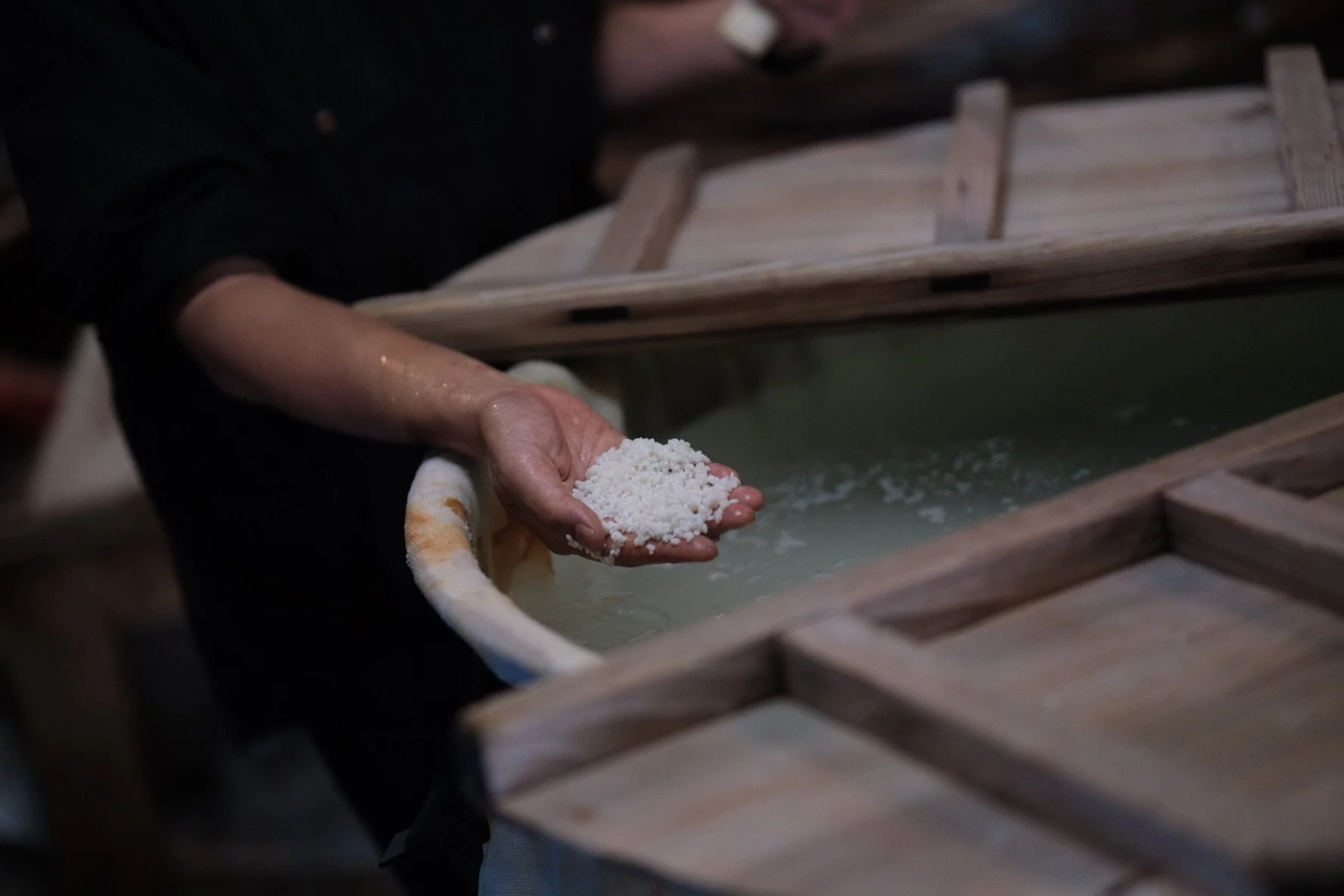
Photo by George Padilla
Finding Your Perfect Bottle
As the sake industry works to make its terminology more approachable, it’s still possible to explore different styles by leaning on what you already enjoy drinking. Yumiko Munekyo, owner of sake import company Sake Suki, says that when sommeliers express interest in craft sake, she often uses wine terminology to guide them.
When choosing sake—especially at the beginning—using familiar terms like light-bodied versus full-bodied, fruity versus mineral-driven, or sweet versus dry can help you (or the professional assisting you) find a bottle you’ll enjoy.
There isn’t the same emphasis on rice varieties in sake as there is on grape varieties in wine, nor has regionality historically played as large a role. That said, the industry is evolving. In the 1990s, Japan’s National Tax Agency introduced a Geographical Indication (GI) system, similar to wine appellations. As of March 2024, there are 26 GIs in Japan—11 of which were established in the past four years.
If wine has taught us anything, it’s that appellations can sometimes be restrictive and stifle creativity. Still, in the case of sake, they can also help demystify the category. Chris Gomez, beverage director at Sushi Noz, uses regionality as a way to connect with guests. “It’s not exactly like wine,” he says, “but if someone asks for a dry sake, I’ll pour one from Niigata Prefecture, which is known for its dry styles. It’s a pretty safe bet.”
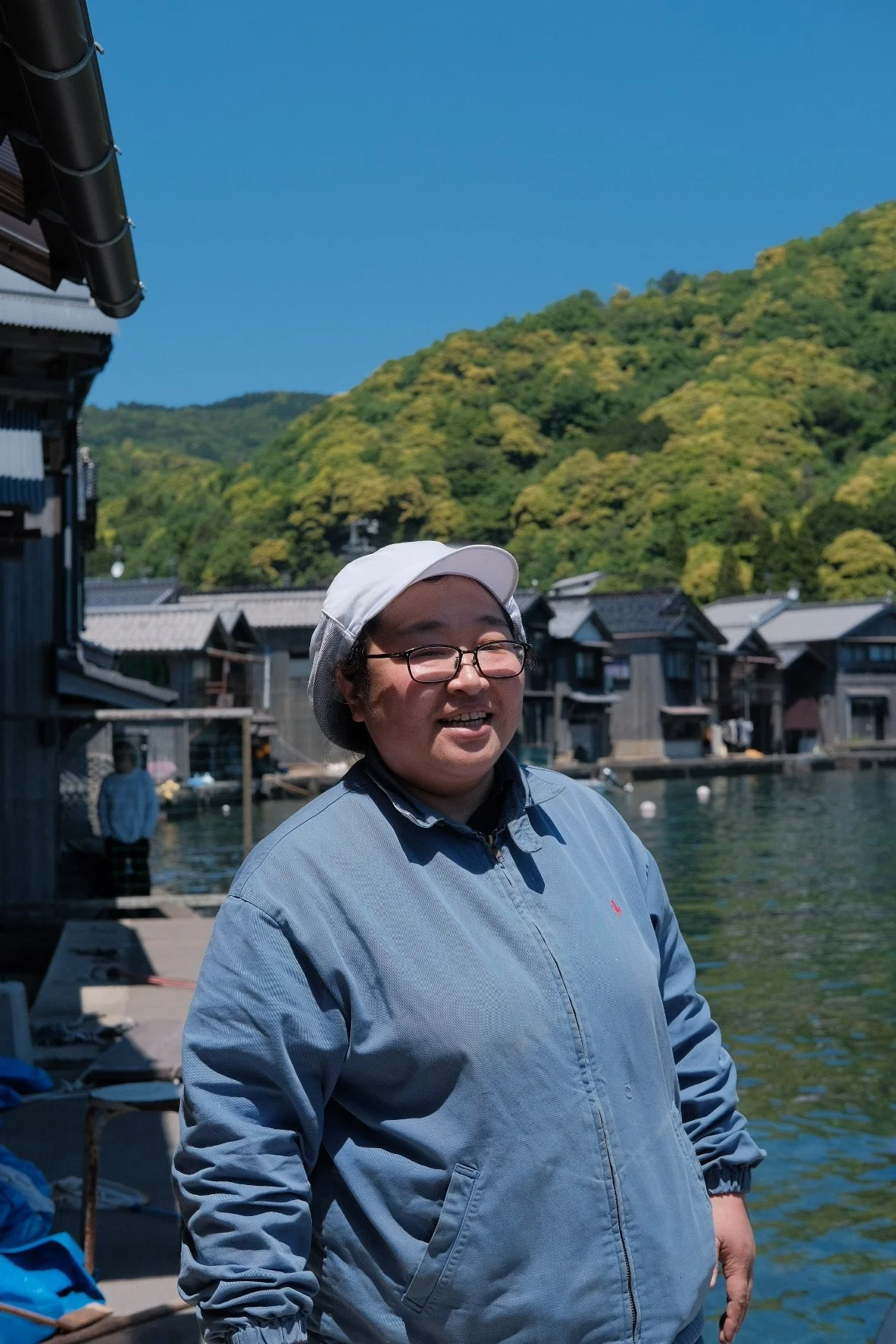
Photo by George Padilla
Sake & Food Pairings
If you grew up around wine drinkers, you may have absorbed pairing rules by osmosis: white wine with fish, red wine with steak. Sometimes we learn the parameters before we’re even of drinking age. Sake, on the other hand, pairs so naturally with food that there are almost no rules.
Traditionally, sake was brewed to be enjoyed alongside local cuisine. In Hiroshima, for example, Miho Imada brews Fukucho Brewery’s “Seaside Sparkling,” a slightly bubbly, almost pét-nat-style sake with bright minerality. It’s a natural match for Hiroshima’s west-coast oysters.
In fine dining settings, Gomez takes things a step further. “Sake pairings are kind of a 1 + 1 = 3 situation,” he says. When paired thoughtfully, sake’s inherent umami doesn’t just complement a dish—it transforms it into something entirely new.
Sake and food simply make sense together. If there were ever a time to reach for a bottle of sake instead of your go-to wine, it’s on the way to a dinner party—or even a pizza night with friends. Low risk, high reward.